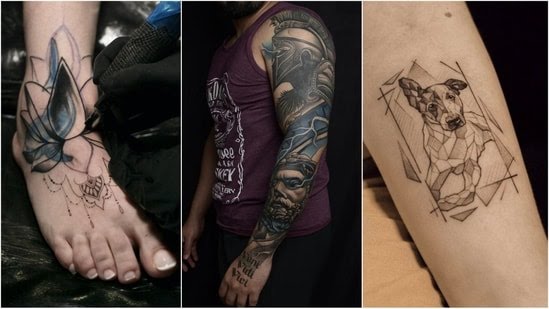
History and purpose of tattoos:
Tattoos have an ancient history drawing down to the Copper Age and beyond. In other words, it is older than 12000 years.
Austronesian people used tattoos as symbols of bravery, love, rank, religious beliefs, group identity etc. Slaves and criminals were also marked with tattoos in those times. Indigenous tribes from Japan to America Australia New Zealand including India had a cultural inclination for tattooing.
Portuguese and French people in Europe wore it on their bodies since ancient times. Icemen of Scandinavian Europe had a distinct tradition of tattooing for thousands of years.
Two dead bodies in 1991 were found near Italy in the Alps. Facts revealed that they were the Icemen called Ötzi and wore tattoos, the first tattoos known to mankind, on their body parts, dating about 5300 years back. Ancient Egypt also knew this art.
Tattoos in modern days have become a fashion vibe that psychologically perhaps reflects the willful and rebellious personality of a person.
Cost of tattoos:
The cost of the tattoo mainly depends on the size and type of the work. The insanity of this body decoration is defined in terms of its gigantic prizes ranging from $50 to $5000 or even more. It is also charged per square inch of a design. Reputed and well-experienced artists enjoy the privilege of voiding anything of doubt.
Side effects of tattoos:
This is sometimes unpredictable. Injecting the ink into skin layers introduces foreign elements to the body. Depending upon individual-to-individual rashes or allergic symptoms may appear on the skin of the host. The ink is susceptible to carrying cancerous elements within its formation. However, some people are subjected to adverse effects even after a decade of tattooing.
Blackwork tattoos:
This is a painful style of tattooing. Thick lining in making tattoos means more skin areas under puncture with the use of the black pigment. The black colour has extended durability compared to the others due to its increased resistance to fading.
An individual having sensitive skin type should refrain from black or grey, and should instead go with the colored tattoos.
This style gained popularity for its solid filling with colour. This can last for at least a decade, but various factors make it last for a little small or even more.
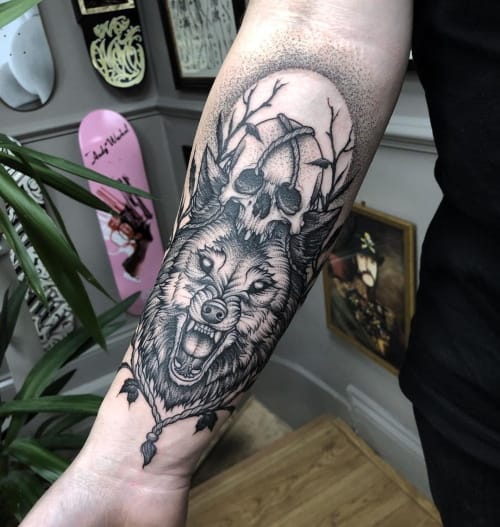
Blackout tattoos have proportionate health risks involved like swelling and infection as they cover more skin areas.
The anticipated cost for such work ranges between $80 and $250 depending widely on the artist and size of the design. It is always advisable to deal with full clarity in advance.
Biomechanical Tattoos:
What a man with nature makes organic tattoos, the machine supplements for the same make a biomechanical tattoo. Animal and human bones are depicted in a way that creates a wide range of fantasies.
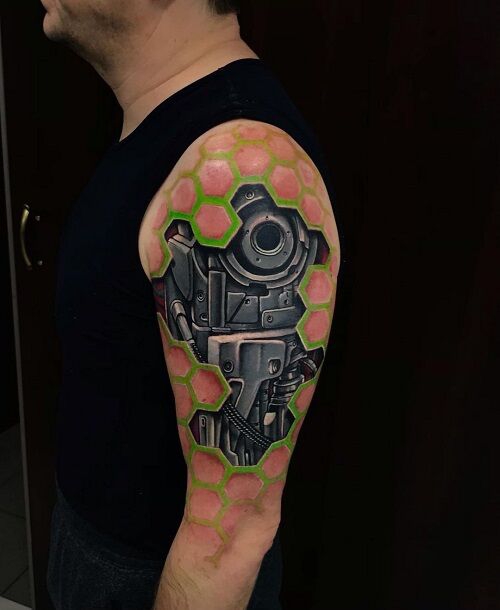
Bones are metallic parts that look like hinges and levers. Highly skilled artists render photogenic effects to incorporate visuals of a living body with the mechanical parts embedded within.
Bioorganic tattoos have only natural elements while biomechanical, as the name suggests, is a fusion of machines with humans.
New School Tattoos:
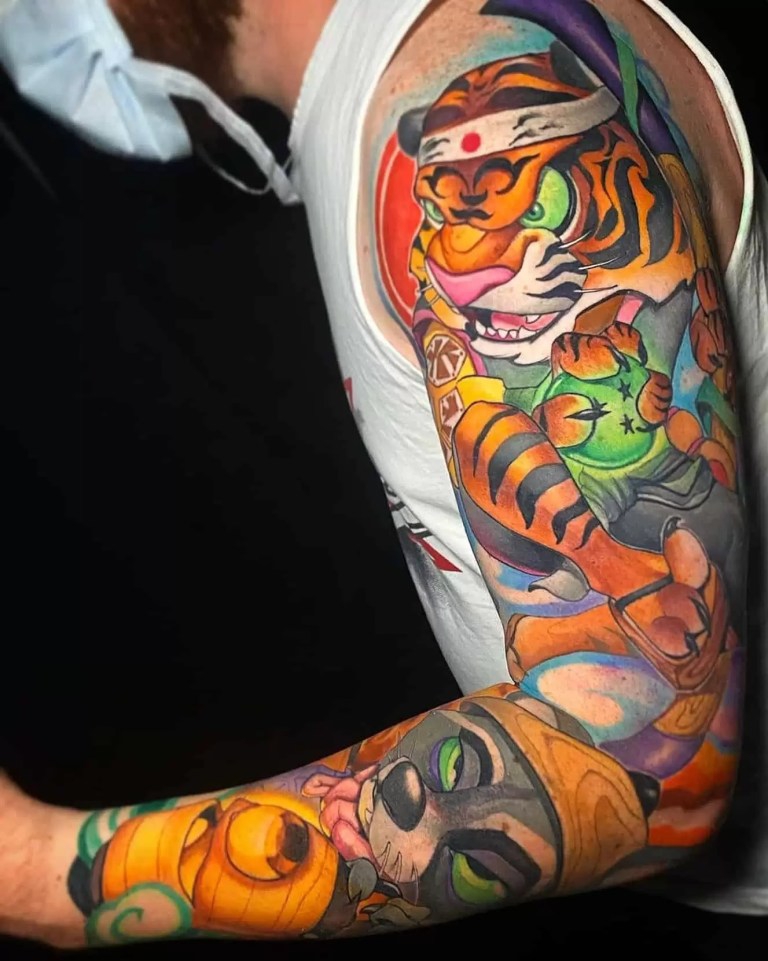
This style became popular in the 1970s. The use of vivid colours, dark outlines, cartoon characters and cinematic views gets finely pictured under the skin. The style is highly inspired by the Old School Tattoos in America.
Neo-traditional Tattoos:
Bold outlines and bright colours with skull roses or other creature images are the identity of this type. Any traditional form of a tattoo converted into intricate designs and special textures can be classified as a neo-traditional tattoo. They exhibit unique shades as well.
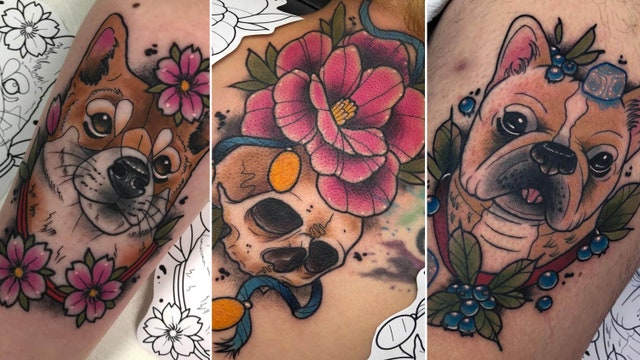
Neo-Japanese tattoos also draw their motive from the American or European culture and merge traditional Japanese symbols and methods to create splendid works. Neo-tribal tattoos have the blending of modern art with antique objects. This type of tattoo refers to unlimited creative opportunities for tattoo artists. Powerful imaginations diluted in various cultural symbols may stem from some fabulous design stories.
Watercolour Tattoos:
Colour in the tattoo is provided without making the outlines. The artist repeatedly plays over the same skin layer causing a bit more pain. Watercolour tattoos have varied lives. It can last for longer than 10 years if proper care is taken. However, the use of light colours is likely to fade faster than other tattoo types.
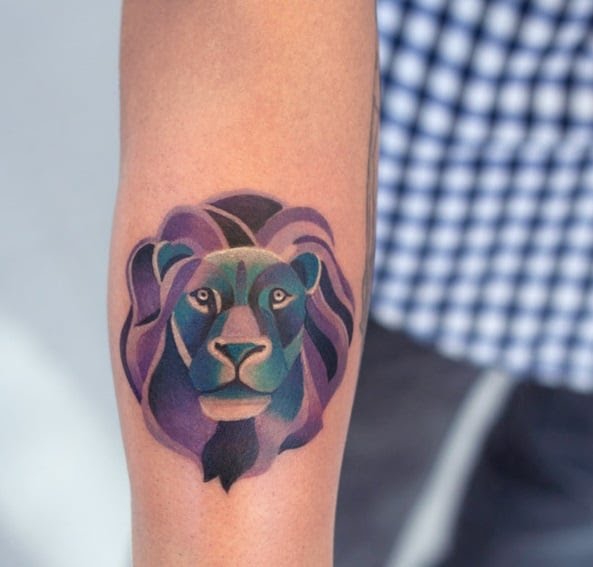
The wolf chameleon dragon and the skull are a few examples wherein the hibiscus flower design is a popular one for women.
American Traditional Tattoos:
The use of colours is limited while creating a stunning look. Sometimes it is referred to as the Western Traditional style of tattooing. Tattooed by a skilled artist, it proves to be a durable piece for body adoration. Rarely using blue colour most tattoos in this style are inundated with red and green palettes.
Comprehensive use of the black colour remains on the top while choosing symbols like skulls eagles or marine life. The flowers and corresponding butterfly images have stolen the hearts in this tattoo market for it provides a free hand in choosing various colours from the palettes.
3D tattoos:
The addition of another dimension to any flat image, i.e. a 2D image assures an illusion of the real object. The same geometrical gimmick is invoked in the 3D tattoos. The tattoo artist’s mastery incorporated with the sound
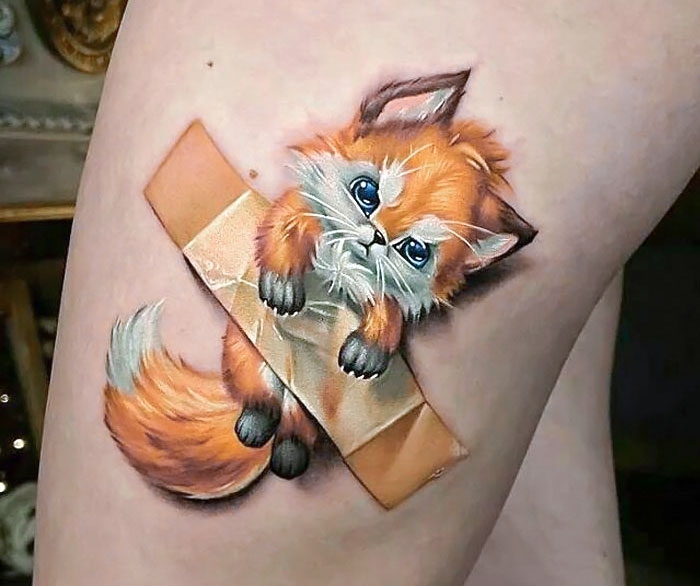
selection of the image and colours guarantees the best outcome. A balanced proportion of the dimensions is pivotal to rendering the subtle grandeur of the tattoos on the body parts.
Trash Polka Tattoos:
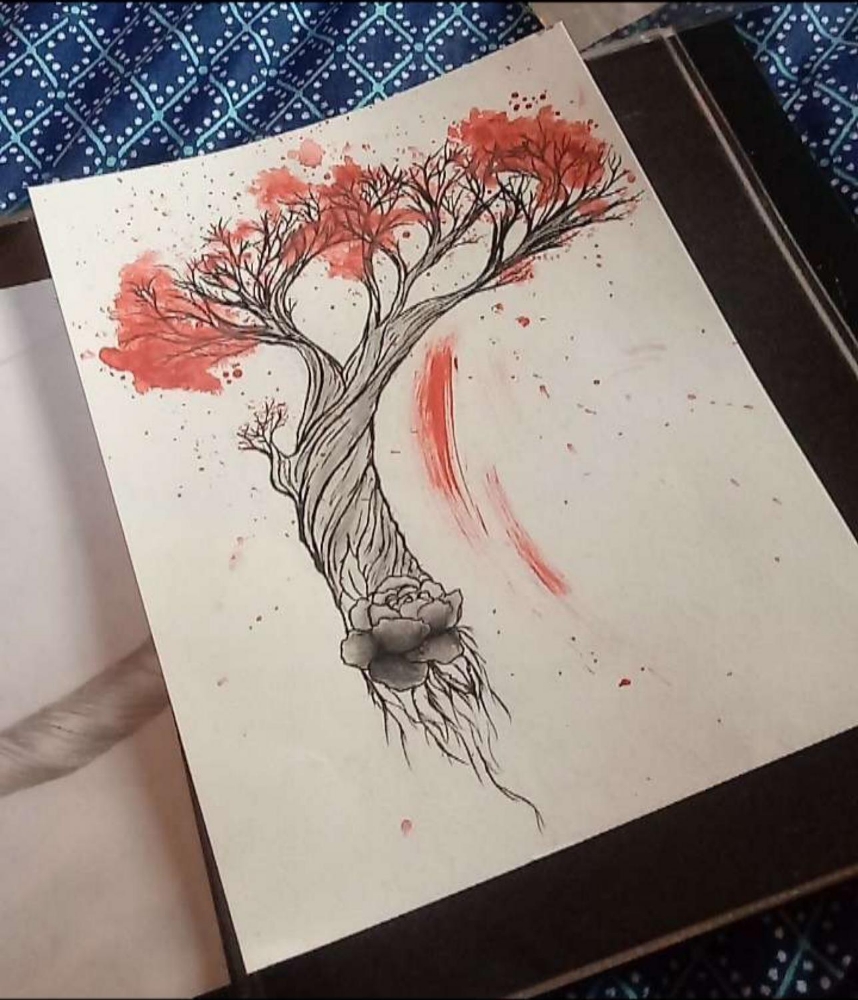
Simone Pfaff and Volker Merschky were the creators of this tattoo style. In the 1990s in Germany, both artists experimented with red and black colours. As with the couple dance, two different and opposite elements of design are predominantly ushered into the skin layers using twin colours, black and red.
Pragmatic images in union with induced graphics render a stunning look. This tattoo fades over a short period for lacking outlines in the design.
Psychology:
The foremost reason for tattooing is recognition. Wearing something non-essential on the body is a sign of seeking attention. Personal belief grievances or love is showcased in this manner. It’s a kind of communicating with the world silently.
A tattoo can sometimes be a tool to memorize keen events or dear ones. Expression of oneself with an ink-song is the purpose of tattooing. The nature of tattoo-wearing people could be over-imaginary or living in the realm of fantasy. Despite the risk factors attached to it, people who go for tattooing have feelings of thrills. This helps in boosting self-esteem and self-promotion as well. The rebellious nature comes forth and it becomes a confidence-building tattooing for the wearer.
In conclusion, it is to impress some individuals in private or to the world in general.
 Shasak
Leave a comment