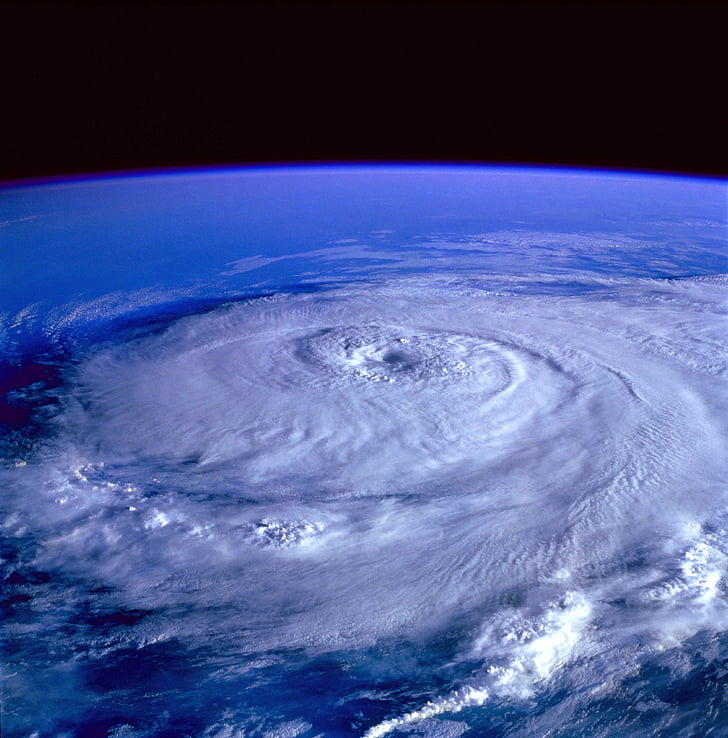
The Atlantic Ocean geographically divided into the North Atlantic and the South Atlantic steers the world’s weather conditions.
The second-largest ocean of the five on the earth the Atlantic is a sanctum with all regards. It covers as much as 20% part of the earth’s surface and hence meticulously affects the weather of the planet.
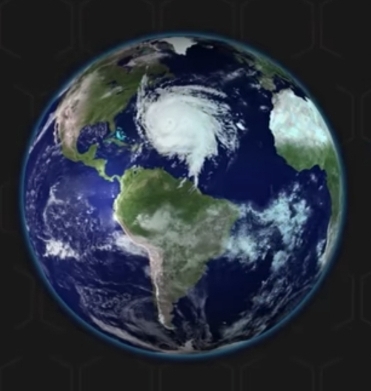
Storms and hurricanes in the Atlantic Ocean: Frequent changes in the atmosphere across the Atlantic region turn into disturbances and bring heavy rains with strong winds. The rains are accompanied by snow thunder and vivid lightning with hail.
The American govt accords tropical storms that exceed sustained winds of more than 74 miles an hour as Hurricanes. Noteworthy that the sustained wind is the average speed of the wind over a certain time slot. Tropical storms are a peculiar form of our solar system. The acute heat from the sun warms up the waters in the tropical Atlantic and creates a consequential force of the horrific storms. These cyclonic occurrences severely hit the American coastlines along with the Caribbean islands, Mexican coasts, and some parts of the eastern Pacific region.
Hurricanes usually last five to ten days and are followed by tornadoes and heavy rains in the regions. Hurricanes weaken as the winds pass through the cooler land or cold water bodies. The data point that the USA faces four to five hurricanes every three years of duration. The formidable cyclonic season in the Atlantic basin is considered between June to November. However, there can be a little variation in the timings. Moreover, transatlantic voyages have to be ready for the challenging sails even in November and December as well. This time around the large Atlantic water currents become the roughest and difficult.
Calamities by hurricanes in the Atlantic basin: Despite public alerts and various precautions hurricanes impose vast damages to public and private properties. Hurricanes are given short names for easy communication and the names of the Atlantic storms are reused after six years. The World Meteorological Organisation does not use the same names for other oceanic storms in other basins. In 2001, the Allison hurricane troubled a vast population in Texas and damaged properties worth more than 10 billion dollars.
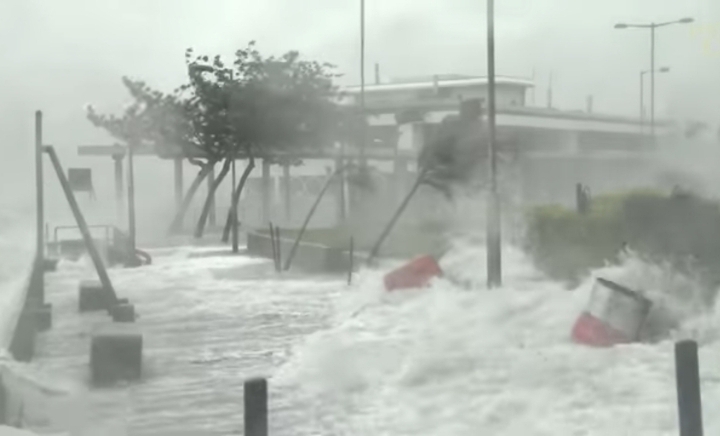
Katrina in 2005 was a deadly Atlantic hurricane that lasted about the last eight days in August and caused 1400 deaths. The exact calculation of the damage was not possible, yet the total would have crossed over $110 billion in New Orleans. Heavy rains submerged the region with failed docks and badly flooded the coastline. Some reports stated that many residents are still struggling to overcome the damage caused by Katrina after as long as 20 years.
Katrina after all was identified as a man-made disaster. Reports said that it all happened due to haphazard planning and wrong priorities of the work. The design department could not anticipate the outcome of a faulty design structure. Louisiana’s offshore Atlantic wetlands were not taken care of and eventually trashed the flood protection of the entire area.
Florida is the worst hit part in the United States having suffered almost 120 hurricanes altogether from category 1 to 3. Hurricane Delta, Michael, Irma, and Hurricane Dennis apart from other storms are a few names to be taken into account.
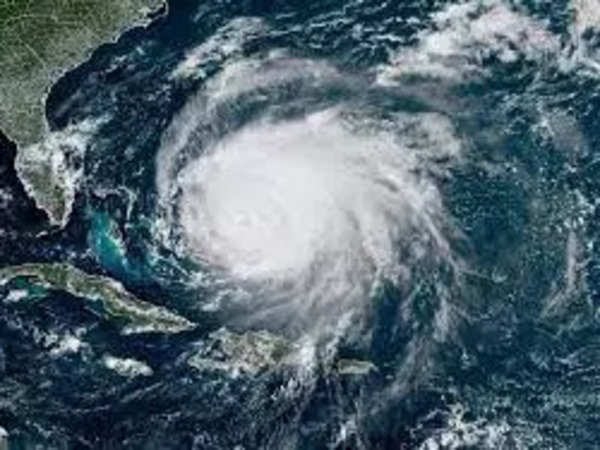
The Cyclones are of course a natural phenomenon in the Atlantic basin but improved technologies and rapid administrative actions help reduce their horrible effects to a large extent.
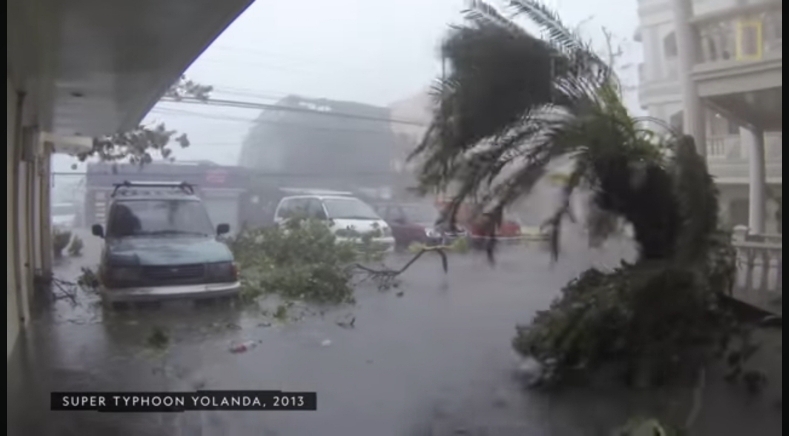
Technological methods to combat the Atlantic storms: There is no technology developed that can stop the phenomenon of storms in the oceanic basins or elsewhere. However, some meteorological measures and efforts can reduce its deadly impacts. The satellites and radars are useful to warn people 48 hours before the storms hit the ground. The administrative machinery and rapid action forces put on high alert may reduce the calamities in the crucial hours. People can be moved or evacuated to safer locations with real-time communication. Plywood sheets if nailed to the external parts of the windows and other openings can reduce the risk of blowing gusts. Food, water, and necessary medicines should also be kept handy to avoid the fumbling situation.
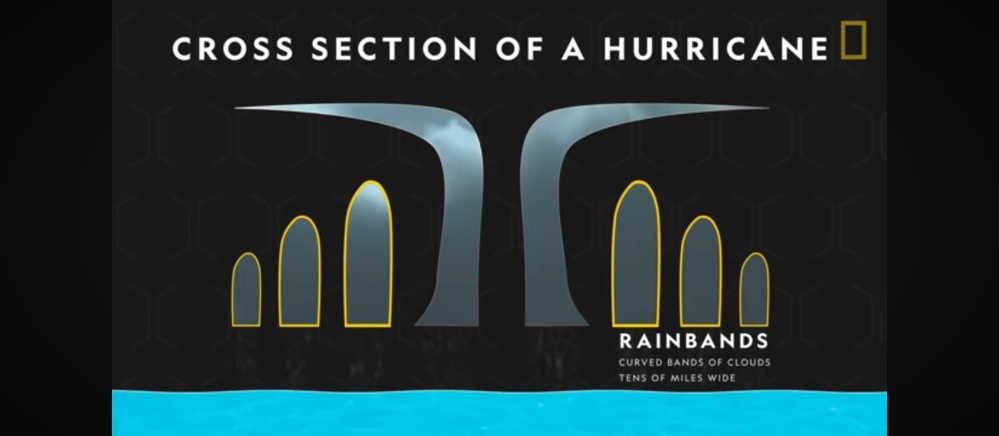
Photo Courtesy: National Geographic
Effects of the Oceanic Storms on Human Life: The direct impact of the storms is physical mental and economic to human populations. Many people die in hurricane time and many get severely injured. The loss of the dear ones and the loss of the valuable properties further this loss in a mental way. Displacement of a well-settled life causes high depression.
Apart from the private disorders, hurricanes massively destroy the infrastructure of the affected area. It cut off the electric and gas lines. Crops may get washed away by the rains and stormy winds. Disrupted communication and transportation facilities call off the daily routines for a certain time. The government and other concerned establishments suffer a huge economic loss.
Contradictory theories on oceanic storms: Scientists and Geologists have been warning of climate change for a long time. Rather than a natural phenomenon anthropological reasons are more considerate to the increasing storms in the North Atlantic Ocean. Industries across the globe are relentless sources of synthetic gases emitted from various chemical processes.
Household and mass-market emissions also contribute to an increase in such synthetic fluorinated gases. Carbon dioxide and nitrous oxide are the natural compounds formed during chemical processes. All these gases including methane and vapors trap the heat in the planet’s atmosphere. It increases the temperature called the greenhouse effect responsible for the formation of tornadoes.
The blanket of greenhouse gases over the Earth’s surface produces favorable climates for a surge in windy storms across the oceans. Two professors however have contradictory theories. Emanuel and Mann logically put forward that some polluting substances possess balancing properties and reduce climatic conditions for hurricanes.
Methane and Carbon dioxide-like gases climb up and are retained in the upper layers of the atmosphere. This results in warming up the ocean surfaces. On the other hand, nitrogen oxide and sulfur dioxide are among the hazardous gases that remain in the lower atmosphere of the planet and maintain low temperatures. The risk of Hurricanes is thus reduced to some extent.
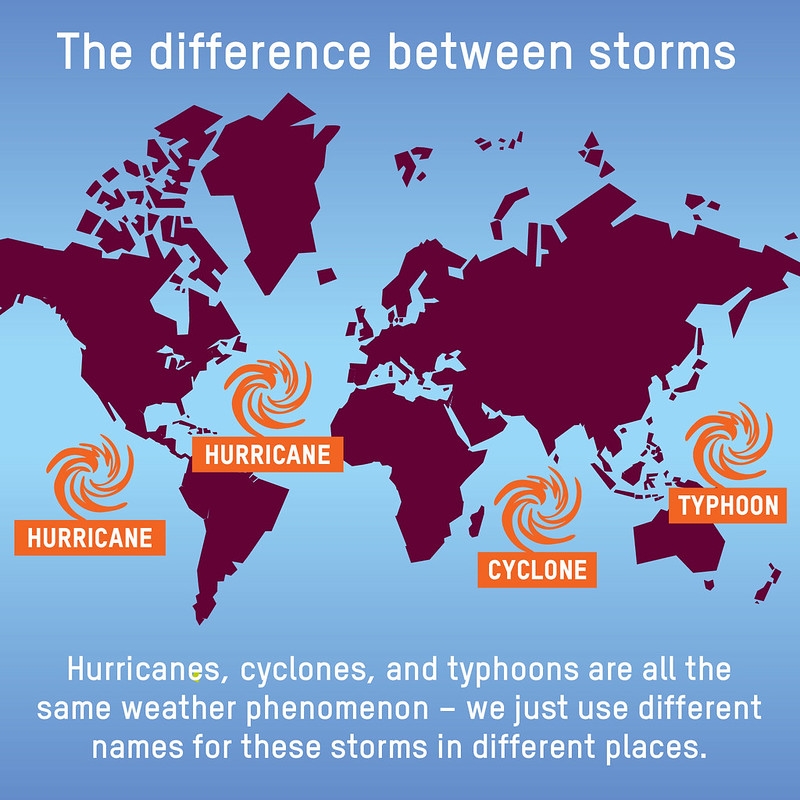
The calamitous atmospheric winds have different names for different ocean basins. The Indian subcontinent calls it Cyclones of the Indian Ocean while the Chinese and Japanese name it Typhoons for the Pacific Ocean.
 Shasak
Leave a comment