
What are your morning rituals? What does the first hour of your day look like?
Meditation is coherently embedded into the core of the Hindu belief. This is a direct way forward to Advaitism where the prayers are the urge to connect to the supreme authority.
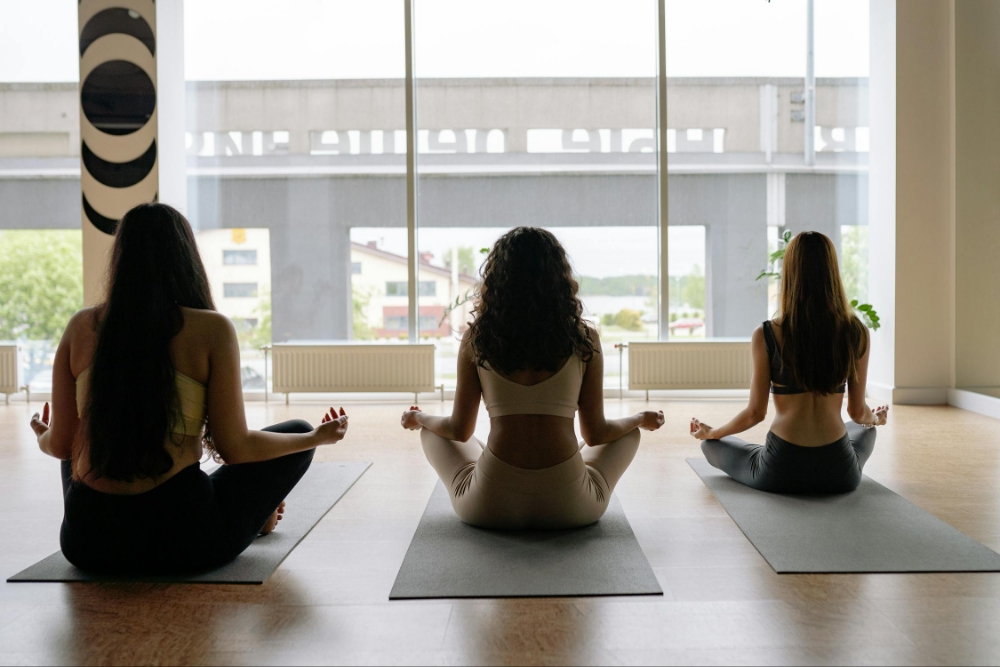
Photo Courtesy: Flickr
Importance of meditation in human life: Man and mind always remain in conflict. This is commonly referred to as mental stress in modern times. However, the methods and importance of meditation have been placed since ancient times. The reasons may be different from one era to another, but the mind is naturally configured to mingle into multiple desires. Hinduism is a civilizational concept emphasizing controlling the mind through meditation.
Brahma Muhurta in the early morning in any corner of the earth is the best hour to practice mind control. The wandering nature of the mind can be comfortably dealt with in these hours. From 3:30 am to the time before sunrise is generally called Brahma Muhurata, though this time can vary as it is based on the time of the dawn. A peaceful morning has an environment full of positive cosmic rays. This injects a thorough gentle approach into an individual. The serenity of this time assists in concentrating the mind which eventually leads to thwarting unwanted desires. Deep meditation is entitled to connect individuals with the supreme authority of the universe. This is a very idea behind the Advaitism creed. Hindu sages since ancient times have elaborated yoga practices for a pious and better life. Meditation is an important form of yoga, henceforth the control of the mind is of paramount importance in their views.
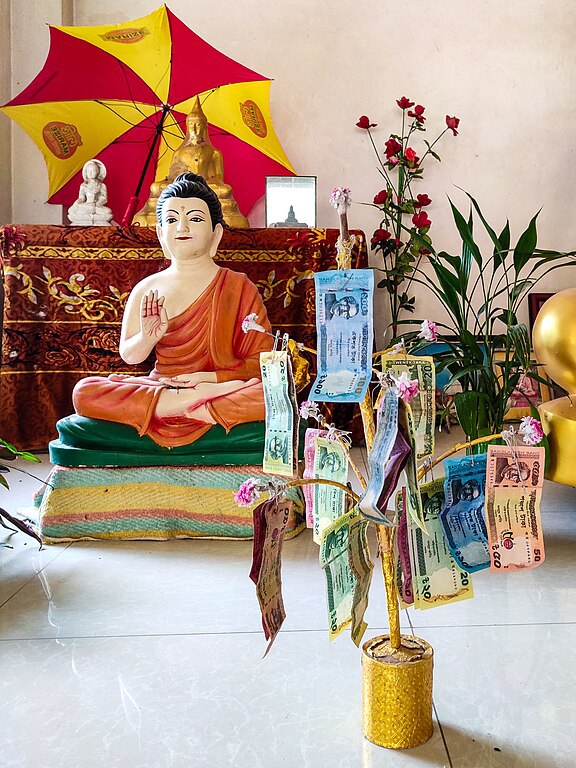
Photo Courtesy: Pexels
Importance of morning hours: The start of the day has to be in a well physical and mental equilibrium. These two assets of any individual hold the utmost potential for prosperity in every field. However, worldly routines and anxieties greatly influence us in both physical and psychic manners. Morning prayers are therefore undivided attributes of every religion. In Hinduism especially, this time is considered the most favorable for yogic and spiritual practices. Exercises or yoga or pranayam are believed to improve the mental status as well as physical build of humans. However, little children and women during pregnancy should not awake in Brahma Muhurta. The sages also suggested that those elders who do not practice Brahma Muhurta from an early age should not try hard for it.
Scientific reasons for meditation and prayers in the early mornings: Hinduism is based on scientific theories and practices. Morning rituals and prayers have a significant effect on the practitioner. The prime reason is that the oxygen level in the atmosphere is high in the morning. This is quite important regarding blood circulation as well as the lung’s capacity. The better oxygen level effectively improves digestion and metabolism. The body and mind of an individual gets fully energized. Many scientists and psychologists have acknowledged the divine power of prayers as well.
Dhyana in Hinduism is known as the magic that brings a chain of positive impacts. It helps in reducing diseases like diabetes and hypertension. Moreover, regular meditation empowers a person with stronger telepathic and intuitive capacities. A body after a peaceful sleep can sit unmoved in the morning time which is the precondition of explicit meditation. Continuous meditation for longer hours and days is termed Sadhana in Hinduism ideology. In the Asian continent, Jainism and Buddhism also have age-old traditions of dhyana for sacred life. It spread across other continents later in the 19th century according to Wikipedia. The research on meditational effects is comprehensively going on in other parts of the world but rather in contexts of health and commerce. Jainism and Buddhism along with Hinduism hold civilizational traditions of spirituality through meditation.
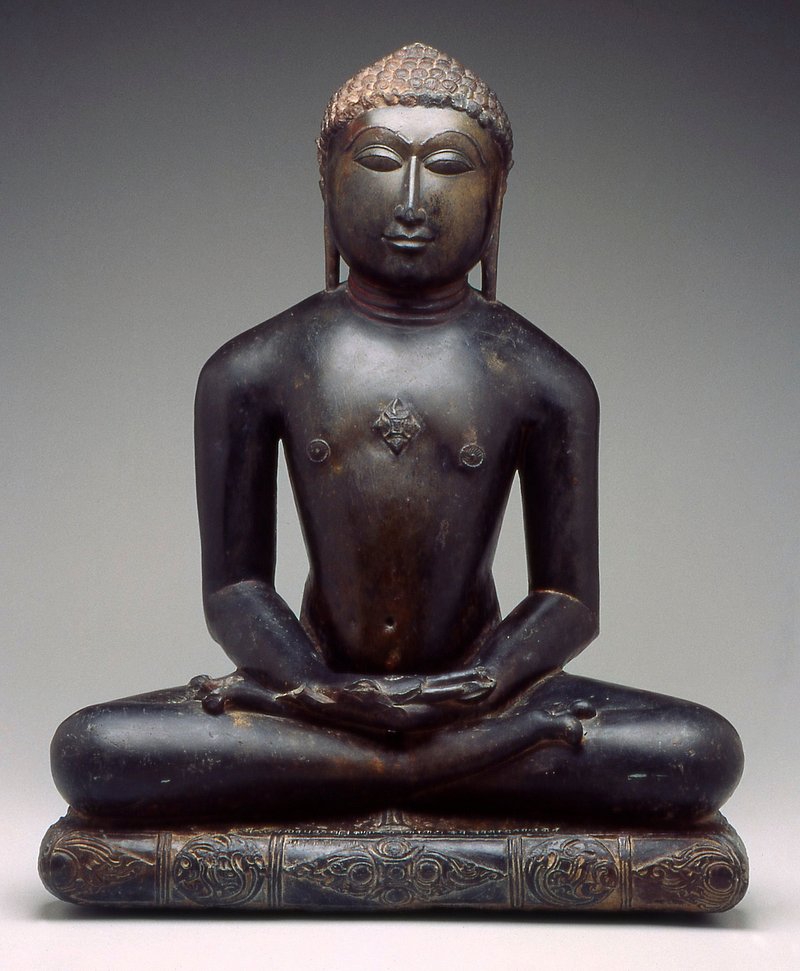
Photo Courtesy: Wikimedia
Learning meditation for self-realization: Dyana or Sadhna should not be mistaken as a culture that is limited to monks or preachers. Prayers are also a scientifically approved sort of meditation. A beginner from any faith can practice meditation for his or her well-being. It does not require a sage dress code or a temple or ashram for a spiritual environment. All an individual needs is loose and comfortable apparel and preferably a serene closed-door spot. Rest is an unmoved sitting position and relentless efforts to concentrate on the mind without much exertion. Regular practice significantly reduces the bulk of thoughts passing through the territories of the mind. The practitioner attains a state of thoughtless mind after reasonable attempts. The magic of meditation then unfolds many awesome experiences in life.
 Shasak
Leave a comment